How to Protect Your Business from Vehicle Cloning Scams

What is Vehicle Cloning? Vehicle cloning is a criminal activity where offenders steal the identity of a legally registered vehicle by swapping its number plates with those from another car. These cloned plates typically belong to vehicles of the same make, model, and colour, which helps the criminals evade detection by law enforcement systems, such as Automatic Number Plate Recognition (ANPR). This enables them to carry out illegal activities, including using the vehicle for fraud or theft. Why Should You Be Concerned? For businesses purchasing used vehicles, vehicle cloning can have serious consequences. If you unknowingly buy a cloned vehicle, not only could the police seize the car, but you may also lose both the vehicle and the money you spent on it. Moreover, cloned vehicles often have hidden issues, including altered mileage, a history of being written off after accidents, or stolen components, all of which could pose significant safety risks for your operations. How Do Criminals Get Cloned Plates? In the UK, criminals can easily obtain “show plates” online or over the phone, requiring little documentation. These plates, which typically cost around £20, are often dispatched the same day. They are not connected to any legal vehicle and can be used to mislead authorities. Criminals use these plates to clone the identity of legitimate vehicles, allowing them to avoid detection. How to Protect Your Business from Buying a Cloned Car To protect your business from falling victim to a vehicle cloning scam, always carry out a thorough CAP HPI Check before making a purchase. This essential step ensures the vehicle’s registration number, engine number, and Vehicle Identification Number (VIN) match the official records held by the DVLA. The check can also reveal if the vehicle has been stolen, written off, or has any outstanding finance—helping you avoid costly mistakes and reputational damage. Key Tips to Avoid Vehicle Cloning Scams Follow these important steps to ensure the vehicle you’re buying is legitimate: Check the Vehicle’s History Verify the vehicle’s history with the DVLA and ensure the vehicle is being sold from the address listed on the V5C/logbook. Inspect the V5C/Logbook Carefully Be on the lookout for counterfeit documents. Hold the V5C up to the light to check for official DVLA watermarks. If the document is missing watermarks, it could be fake. Match VIN and Chassis Numbers Ensure that the VIN and chassis numbers on the car align with official records. Use a CAP HPI Check to cross-check this information with the DVLA. Be Wary of Unrealistic Prices If the car is priced significantly lower than similar vehicles, it may be a red flag. Avoid deals that seem too good to be true, as they may indicate potential fraud. Avoid Cash-Only Payments Be cautious if the seller insists on a cash-only transaction. This may be an attempt to bypass creating a paper trail. It’s safer to use traceable payment methods. Trust Your Instincts If something feels off about the car or the seller, trust your instincts and walk away. It’s better to be cautious than to risk making a costly mistake. Why a CAP HPI Check is Essential A CAP HPI Check is a crucial step in confirming a vehicle’s history before purchasing it. The check will verify whether the car has been stolen, written off, or has any outstanding finance. Furthermore, it includes a guarantee offering financial protection if you unknowingly buy a cloned vehicle. Conclusion By taking the time to verify the history of a vehicle, you can protect your business from the financial and safety risks associated with vehicle cloning. A CAP HPI Check provides you with the necessary peace of mind, ensuring that the vehicle you’re buying is legitimate, safe, and free from hidden issues. For more information, visit www.cap-hpi.co.uk.
Government PiCG change to have minimal effect on used values
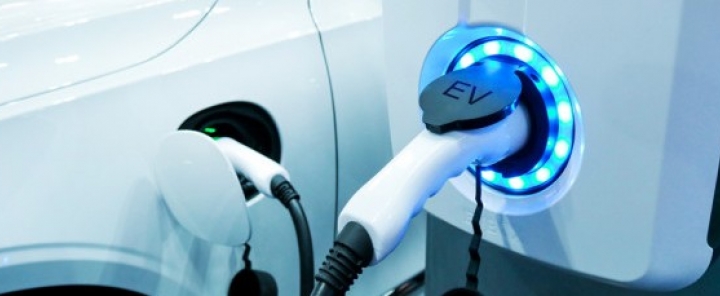
The shock timing of the government announcement on changes to the Plug-In Car Grant (PiCG) has prompted a flurry of questions regarding possible impact on used values for battery electric vehicles (BEVs). The short-term increase in purchase price for those vehicles close to the new threshold of £35,000 is unlikely to immediately affect nearly new values, since used values for those models are generally not close to list price. Example: BMW i3 125kW 42kWh 5dr Auto (cap ID 87355) has a list price of £36,520 and is valued at retail today on a 2121 plate at 1,000 miles at £28,000. Even if there were a small price increase artificially applied by dealers, transaction prices are expected to be largely unchanged and no impact is expected to filter down to three year old values. For the company car driver, there are still multiple incentives in place. The scale of the Capital Allowances and Class 1A Contributions benefits mean that most companies will still want their drivers to be able to take advantage of the zero Benefit In Kind rate and are likely to adjust company car bandings to compensate for vehicles which now fall outside of the PiCG subsidy. Although many of those who were considering quotes before the 18th of March will now be back to square one, there is probably less impact towards the previous threshold of the £50,000 list price as monthly lease rental bandings will tend to be wider. Generally, the PiCG is not the determining factor in the purchase decision for retail customers. Although some may choose an alternative model, or a lower specification version, many are unlikely to be pushed into a used car transaction and for most models the registration volumes are dominated by fleet drivers in any case. There will almost certainly be actions from the manufacturers to alleviate the problem. Many existing IDs are not far above the £35,000 limit and would become eligible for the PiCG following small reductions in list price. Other options undoubtedly being currently considered are reducing specification of existing vehicles (most of which are generously equipped) and accelerating the introduction of smaller battery versions to reduce up front prices. Some OEMs may also apply reductions to dealer discounts to partially alleviate the reduction in profitability. It is possible that we will now see a list price ‘vacuum’ between £35,000 and £40,000 in the same way that we saw one develop between £50,000 and £55,000 under the previous scheme, whilst at the other end of the price bracket we expect some list price inflation for those vehicles which were previously constrained by the £50,000 limit and this could benefit used values in a small number of cases. The biggest factor that is likely to influence used car supply and demand in the future is the availability of supply of new cars. Manufacturers may be tempted to divert supply to other, more profitable markets which are applying larger (and increasing) incentives, rather than build vehicles for the UK market. However, although the reduced speed of adoption would be expected to have a positive impact on used values due to reduced supply, used car demand in this situation is also stimulated by the new car demand: more cars on the road drive increased awareness and also fuel increases in used car demand. The situation is complex and further changes can be expected in March 2022, but our current expectation is that there is no overriding impact on used values in either direction. We expect BEVs to continue to reduce in price by more than internal combustion engine cars, but to retain a significant premium for the foreseeable future, partly due to the intrinsic value of the battery itself. There will of course be a lot of variation on an individual model level, but broadly we see the impact on used values of the changes to the PiCG as neutral.